In our extensive research into occupational health and commercial facility planning we consistently observe that the physical workspace can influence how people interact with their surroundings and perform different work activities. Over the past few decades the transition toward knowledge-based economies has tethered professionals to their desks for extended periods which introduces specific physiological challenges.
When we examine the biomechanical impact of prolonged sitting it becomes clear that human bodies are naturally inclined toward continuous movement rather than static rigid postures. This scientific reality requires organizations to evaluate how they furnish their administrative environments carefully and deliberately.
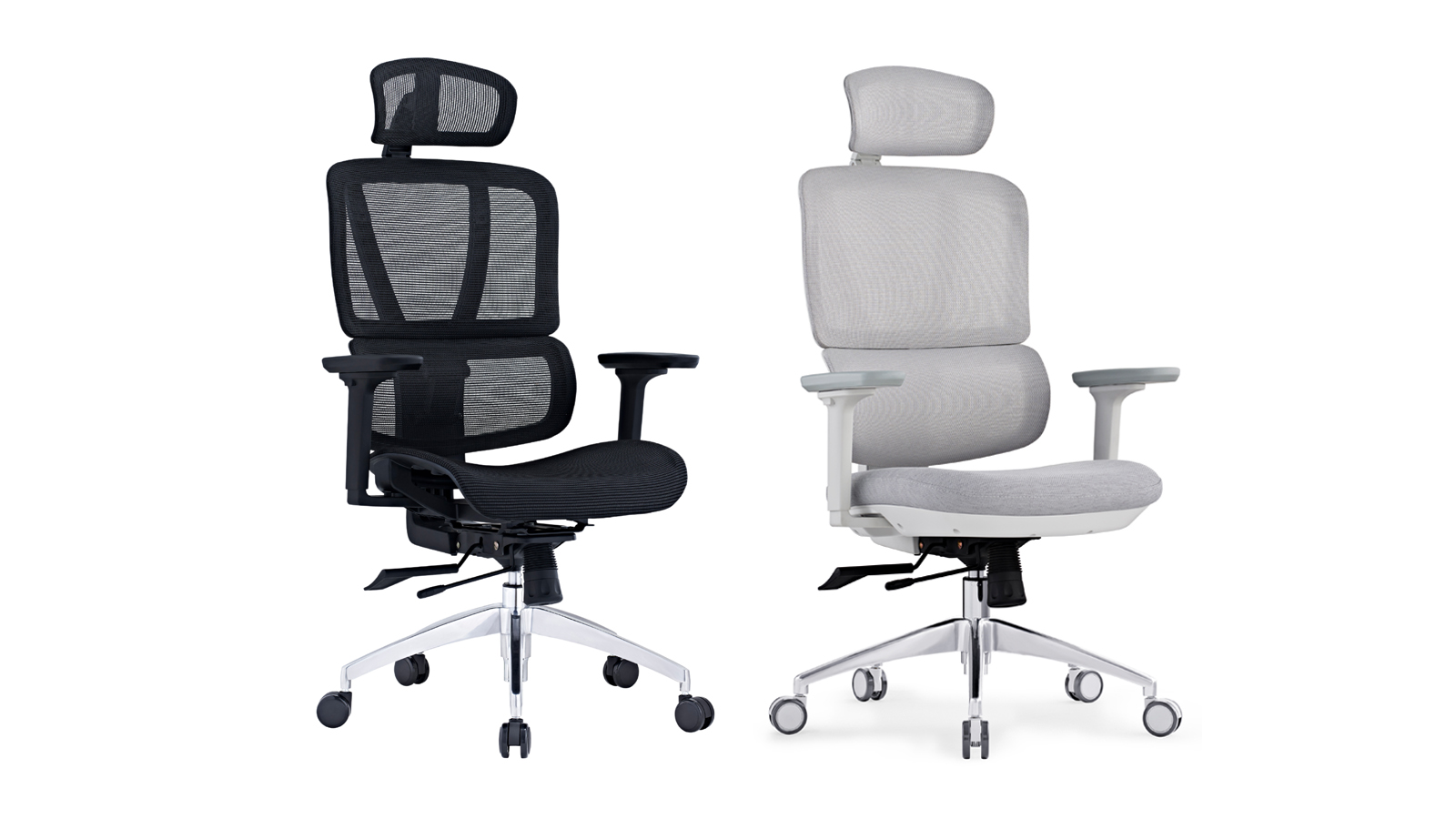
Sourcing supportive seating solutions from a reputable office chair manufacturer in China can help organizations identify options suited to their employees’ ergonomic needs. Considering ergonomic requirements can help facility managers select furniture and layouts that support different work activities.
By applying objective ergonomic principles to layout decisions we can cultivate a professional atmosphere that accommodates diverse physical requirements while accommodating different physical requirements.
The Biomechanics of Sedentary Administrative Routines
To grasp the importance of proper seating architecture we must first understand the structural dynamics of the human spine under gravitational load. Prolonged sitting can affect spinal posture and the distribution of pressure across the lower back. Individual responses vary depending on posture, seating support, and the duration of sitting.
Prolonged static postures may also contribute to discomfort or fatigue in some individuals, depending on their sitting position and workstation setup. Scientific studies in workplace ergonomics suggest that a well-designed seat pan and supportive backrest can help distribute body weight and provide appropriate support during seated work.
Depending on product specifications, office chairs may incorporate adjustable lumbar support and breathable mesh materials to accommodate different user needs.Depending on the design, adjustable armrests can provide support for the arms and allow users to adjust their seated position. Considering these ergonomic factors can help organizations select seating solutions suited to different users and working conditions.
Understanding Kinetic Surface Mechanisms
Beyond individualized seating support the broader spatial layout benefits immensely from dynamic architectural solutions that encourage active movement throughout the corporate campus. Integrating an adjustable height work bench table into the workspace provides users with an additional option for varying their working positions during the day.
Alternating between sitting and standing can introduce more postural variation into the workday and may help reduce prolonged periods of sedentary behavior. Adjustable work surfaces allow users to change working positions while continuing with different tasks.
Providing staff with the autonomy to modify their immediate environment fosters a deeper sense of physical comfort and structural organization. Providing employees with adaptable work surfaces can help accommodate individual preferences and support a more flexible daily working routine.
Engineering Tolerances in Dynamic Infrastructure
Implementing motorized surface structures within high-density open layouts requires thorough mechanical evaluation and a solid grasp of physical engineering tolerances. As modern hybrid work models rely increasingly on heavy computational hardware the lifting capacity and mechanical configuration of height-adjustable furniture become important procurement considerations.
Depending on product specifications, motorized height-adjustable desks may use single- or dual-motor lifting systems and steel leg columns. Evaluating these components can help buyers assess lifting performance and stability under different load conditions. We recommend that spatial planners evaluate the stability of height-adjustable systems across their operating height ranges and under intended working loads.
Understanding load distribution helps procurement officers evaluate whether the internal framework is suitable for the intended equipment loads and regular commercial use. Cable management raceways and undercarriage channels can help keep networking and power cables organized and away from walking areas. By reviewing these mechanical specifications, procurement officers can better assess whether a product is suited to its intended commercial use.
Advanced Manufacturing for Global Commercial Environments
When analyzing the global supply chains that make these sophisticated spatial solutions possible it becomes evident that specialized production facilities play a vital role. At XINDA CLOVER we develop commercial furniture solutions designed to meet the practical needs of modern office environments. At our production facilities, we process panel materials, metal components, and other furniture materials according to product specifications. Our manufacturing processes include quality control measures at key stages of fabrication to help maintain product consistency and meet specified requirements.
We offer customizable commercial furniture solutions for corporate buyers, architects, and facility planners seeking adaptable options for their workspace projects. Through supply chain coordination and project communication, we help corporate clients align furniture specifications and customization options with their spatial requirements and brand identity.
Harmonizing Spatial Design and Occupational Health
Effective workspace planning requires ongoing review as team sizes, work patterns, and furniture requirements change. Considering space utilization and furniture flexibility during procurement can help organizations adjust their workspaces as team sizes and operational requirements change.
Integrating adaptable partitions with height-adjustable work surfaces can help planners define work areas while accommodating different working positions. Maintaining a standardized inventory of compatible components can help simplify future workspace reconfiguration and departmental relocations.
Working with experienced suppliers such as XINDA CLOVER can help buyers identify commercial furniture solutions suited to their workspace requirements and long-term operational needs.A considered procurement strategy can help enterprises create more adaptable working environments that accommodate changing organizational needs and support long-term workspace planning.