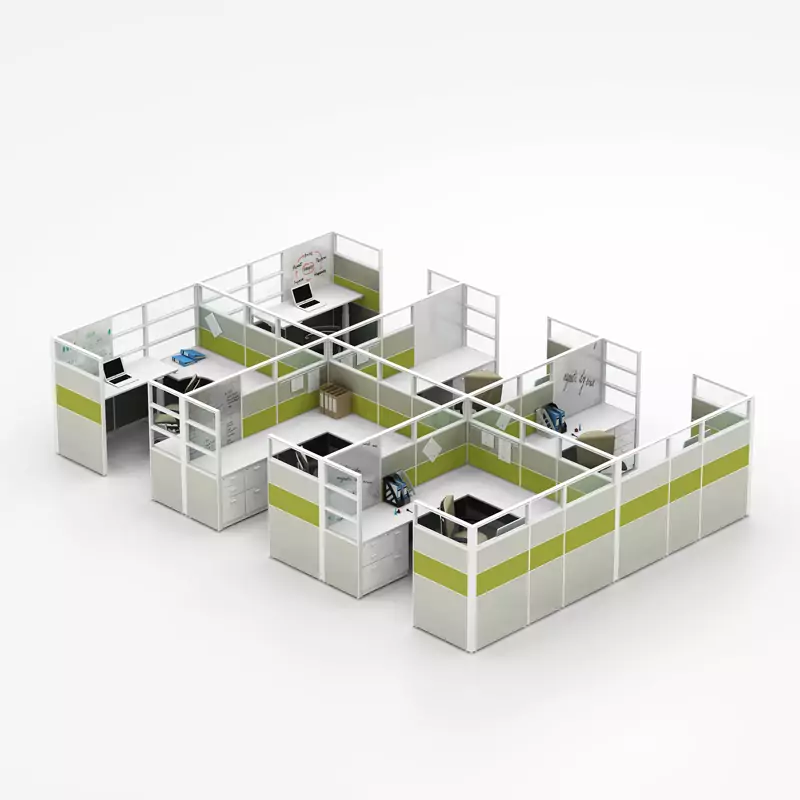
When we analyze modern commercial real estate trends, the conversation frequently turns to maximizing floor plan efficiency while preserving employee focus and well-being. In our ongoing consultations with facility managers and procurement teams, we consistently observe that open environments require strategic physical boundaries to function effectively.
Sourcing these architectural elements from a capable office cubicle supplier in China can help enterprise buyers access modular systems suited to changing organizational needs. Carefully planned partitions can provide designated work areas for administrative staff and other employees who need space for individual tasks.
Careful facility planning can support workflow organization and help businesses adapt their workspaces to changing operational needs.
Integrating Architecture with Environmental Security
Maintaining a safe commercial workspace requires attention to layout, cable organization, and unobstructed circulation routes. Practical furniture configurations can help planners address everyday workplace hazards while keeping work areas organized.
We frequently advise corporate planners to prioritize comprehensive workstation management and office safety protocols when configuring high-density floor plans. Exposed electrical cords and loose data cables can create tripping hazards and interfere with everyday office activities.
Depending on the model, office cubicles may include cable management features to help keep wiring organized and away from walkways. Fabric or other partition materials can also provide visual separation and help define individual work areas.
Thoughtful workspace safety planning can help create a more organized working environment and demonstrate an organization’s attention to employee needs.
Engineering Tolerances in Modular Infrastructure
The suitability of commercial furniture depends on its materials, construction, and intended use. When evaluating modular components for large projects, procurement teams should review panel specifications, frame materials, dimensions, and relevant product test information.
Depending on the product configuration, modular partition systems may use aluminum frames and composite panels to support everyday commercial use. Buyers should review the specified surface finishes and material properties to determine whether they meet the requirements of their projects.
Working with a reputable office cubicle supplier in China can help buyers identify modular components suited to the demands of commercial environments. Evaluating connection points, support brackets, and assembly specifications can help facility teams assess whether modular components are suitable for their intended applications.
Manufacturing Excellence for Global Enterprises
At XINDA CLOVER, we develop commercial furniture solutions that combine practical functionality with adaptable design for commercial environments. Our production facilities support the processing of aluminum profiles and the manufacture of office furniture components, with materials and configurations selected according to product specifications.
Our manufacturing processes include quality control measures at key stages of production to help maintain product consistency and meet specified requirements. We offer customizable commercial furniture solutions for corporate buyers, architects, and facility planners seeking adaptable options for their workspace projects.
Through project communication and customization, we help clients align furniture specifications, layout requirements, and design preferences with their workspace projects.
Harmonizing Spatial Design and Workflow Fluidity
As companies adjust to hybrid work arrangements and changing team structures, flexible office layouts can help accommodate new workspace requirements and furniture configurations.
Adaptable partitions allow planners to define individual work areas and shared spaces according to the needs of different departments. Modular configurations give planners flexibility to review workstation arrangements, circulation routes, and shared areas while taking applicable building and safety requirements into account.
Maintaining an inventory of compatible modular components can help simplify furniture reconfiguration when departments relocate or workspace requirements change. Reviewing pedestrian traffic and departmental space utilization can help facility teams evaluate layout options and make more informed furniture procurement decisions.
Sustaining Long-Term Organizational Resilience
Effective workspace planning requires consideration of layout, furniture specifications, and employee needs. Flexible modular furniture can help organizations adjust their office arrangements as team sizes and operational requirements change.
We consistently recommend that planning teams prioritize flexible, heavy-duty components that deliver enduring value rather than relying on static, inflexible layouts. Working with experienced suppliers such as XINDA CLOVER can help buyers identify modular furniture solutions suited to their workspace requirements and long-term operational needs.