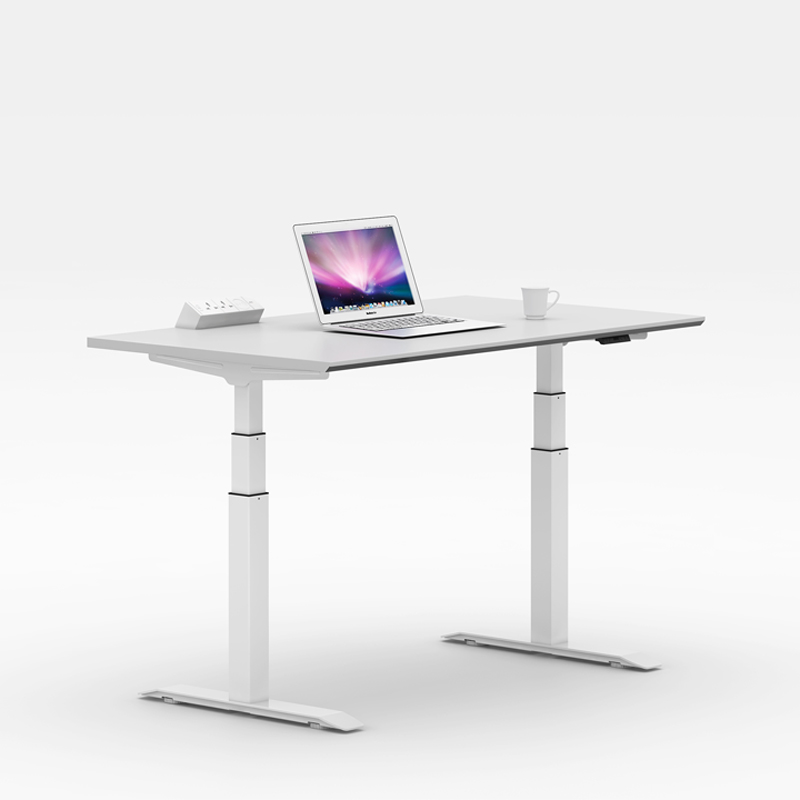
In our consultations with corporate facility directors we frequently observe a critical evolution in how enterprises design operational floor plans. Transitioning from static environments toward dynamic layouts requires consideration of ergonomic principles and the physical requirements of different work activities.
When evaluating the physiological demands placed on personnel during extended sedentary periods we advocate for structural solutions that encourage active postural shifts. Integrating a height-adjustable desk into the workspace provides employees with an option to alternate between seated and standing work positions according to their individual needs.
These adaptable workstations allow employees to switch between seated and standing positions during different tasks. This flexibility gives users more options for adjusting their working positions throughout the day.
By applying ergonomic considerations to workspace planning, facility teams can create layouts that accommodate different working positions without requiring major architectural changes.
Evaluating Mechanical Lifting Capabilities and Structural Tolerances
As modern workstations accommodate computers, monitors, and other equipment, the lifting capacity of height-adjustable furniture becomes an important consideration during procurement. Implementing a robust adjustable height work table demands strict engineering scrutiny regarding internal motor configurations and the structural integrity of lifting columns.
Depending on the product configuration, height-adjustable systems may use dual-motor lifting mechanisms and metal leg frames to support controlled height adjustment. Appropriate lifting mechanisms and frame configurations can help maintain stability during height adjustment, depending on the product specifications and load conditions.
When work surfaces carry multiple monitors and electronic equipment, buyers should consider the desk’s rated load capacity and frame configuration to ensure that the selected model suits the intended use. Reviewing load distribution and rated capacity can help procurement teams select structural components suited to regular commercial use.
Reviewing these mechanical specifications can help organizations select height-adjustable furniture suited to their intended operating conditions.
Material Science Applications and Long-Term Surface Stability
The longevity of commercial workplace infrastructure relies on the synergy between advanced material science and thoughtful physical design. When enterprise buyers evaluate a height adjustable desk for mass deployment across administrative suites they must consider the density of the core desktop material alongside the strength of the metal undercarriage.
Depending on the product configuration, height-adjustable desks may use engineered boards or composite materials selected for their intended commercial applications. Depending on the selected finish, laminates and edge banding can help protect desktop surfaces from everyday wear and changes in indoor conditions.
Integrating secure wire management raceways into the frame geometry adds supplementary mass that the lifting columns must flawlessly support while keeping power conduits hidden. Considering material selection alongside load requirements can help facility teams evaluate potential durability and maintenance considerations during procurement.
Careful consideration of material composition can help buyers select furniture suited to long-term commercial use.
Advanced Manufacturing Infrastructure for Global Operations
At XINDA CLOVER, our teams develop commercial furniture solutions that combine functional performance with adaptable design for different workspace requirements. Operating from our advanced production facilities We use production equipment to process aluminum profiles, panel materials, and other furniture components according to product specifications.
Our production teams apply quality control measures at key stages of fabrication to help maintain product consistency and meet specified quality requirements. We provide customizable commercial furniture solutions for distributors, design professionals, and corporate buyers according to their project requirements.
By maintaining extensive customization capabilities regarding material finishes and dimensional parameters our engineering team supports clients in selecting materials, finishes, dimensions, and other customization options according to project requirements. Through supply chain coordination and project communication, we help clients align furniture specifications and customization options with their spatial requirements and design preferences.
Synchronizing Spatial Geometry with Active Daily Routines
Beyond individualized ergonomic support maintaining a harmonious open floor plan requires intelligent solutions for dynamic spatial management. As employees elevate or lower their workstations the surrounding architecture must accommodate fluctuating visual sightlines and shifting physical boundaries.
Integrating an adjustable height work table into clustered departmental zones requires careful consideration of proximity and acoustic interference. Pairing height-adjustable workstations with privacy screens can help define individual work areas while providing a degree of visual separation within shared spaces.
Flexible cable chains can help organize wiring during height adjustment and reduce the risk of excessive cable tension when properly configured. Organized cable management pathways can help keep wiring clear of work areas and support practical safety requirements while maintaining a more orderly workspace.
Considering employee movement, workstation positions, and circulation patterns can help planners define flexible work areas and manage potential sources of visual and auditory distraction.
Strategic Procurement and Sustained Operational Resilience
Constructing a resilient corporate environment demands proactive spatial planning and strategic vendor partnerships. Combining suitable furniture specifications with practical layout planning can help organizations create workspaces that adapt to changing operational requirements.
Facility teams can maintain a standardized inventory of compatible furniture components to simplify future workspace reconfiguration and departmental relocations. Through forward-thinking architectural planning and reliance on capable partners like XINDA CLOVER enterprises can develop physical environments that accommodate changing workspace and operational requirements.
By applying comprehensive metrics to track spatial utilization over time corporate leadership can make informed capital expenditure decisions that better reflect workspace utilization and furniture requirements. Selecting suitable height-adjustable furniture and modular workspace components can help companies create flexible office environments that accommodate changing technologies, work patterns, and organizational requirements.