Modern workplace design is evolving as businesses look for better ways to organise their spaces. Offices are no longer only places for completing daily tasks. They are environments where employees communicate, focus, collaborate, and adapt to changing work patterns. As hybrid working and flexible team structures become more common, companies are paying more attention to how furniture supports different workplace activities.
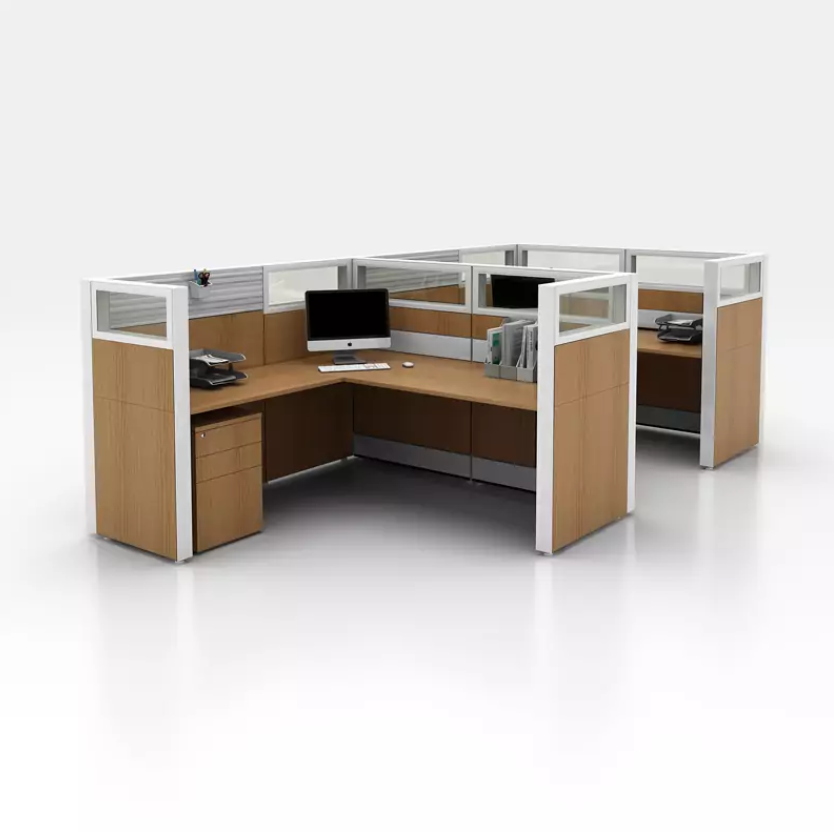
A thoughtful office ergonomics workstation design can help create a more balanced office environment by considering comfort, space arrangement, and practical usage. At XINDA CLOVER, we focus on developing furniture solutions that support different commercial workplace requirements while helping businesses build organized and functional office spaces.
Why Modern Offices Need More Flexible Workplace Planning
Traditional office layouts often followed fixed arrangements with limited options for adjustment. However, modern businesses may experience changes in team size, working methods, and space requirements. This has increased the demand for furniture systems that can adapt to different workplace situations.
A flexible office layout allows employees to move between individual tasks and group activities more easily. Quiet areas can support focused work, while shared spaces can encourage communication between teams. The challenge for office planners is finding a balance between openness and privacy.
Workplace planning also involves more than selecting desks and chairs. Factors such as walking paths, equipment placement, storage solutions, and lighting conditions all influence how effectively a space can be used. By considering these details together, companies can create environments that support daily operations.
The Relationship Between Ergonomic Design and Employee Experience
Ergonomics has become an important consideration in modern office planning. Employees spend many hours working with computers and digital devices, making workspace comfort and accessibility important parts of office design.
A suitable office ergonomics workstation considers how people interact with their surroundings. Desk arrangements, working positions, and the placement of office equipment can influence how employees use their workspace throughout the day. A practical design approach helps create a smoother working experience without separating employees from their teams.
In addition to individual comfort, ergonomic planning can improve the overall organisation of an office. When furniture is arranged according to actual workplace needs, employees can access necessary tools more easily, while companies can maintain cleaner and more efficient spaces.
Modern offices also need to support different working styles. Some employees may need private areas for concentration, while others may benefit from collaborative spaces. Flexible furniture planning provides more possibilities for creating workplaces that meet these different expectations.
Creating Adaptable Commercial Spaces with Suitable Furniture Solutions
Office furniture plays an important role in turning workplace concepts into practical environments. Commercial projects often require solutions that match different floor plans, company cultures, and operational needs. Furniture systems with flexible structures can provide more choices during office planning.
To support these requirements, we develop commercial furniture solutions that focus on practical design and adaptable configurations. Our office furniture systems include workstation arrangements and partition solutions designed for different business environments. These solutions consider factors such as space organization, installation convenience, and long-term workplace adjustments.
For example, modular partition designs can help businesses create separate working zones while maintaining communication between teams. Integrated cable management features can also support offices that rely heavily on computers and other digital equipment. These details allow furniture to become part of a complete workplace planning process rather than a simple office accessory.
How Technology Changes Modern Office Furniture Requirements
Technology has changed the way people work and has also influenced office furniture design. Computers, monitors, communication devices, and charging equipment are now common parts of everyday office activities. As a result, furniture needs to support both human comfort and technology management.
A well-organised workplace should provide convenient access to power and data connections while keeping working areas tidy. Poor cable planning can affect the appearance of an office and create difficulties during maintenance or workspace adjustments.
Modern furniture solutions increasingly consider these practical requirements during the design process. By combining functional layouts with technology-friendly features, companies can create offices that are easier to manage and more suitable for long-term use.
Beyond technical functions, office furniture also influences the overall atmosphere of a workplace. A carefully planned environment can help employees feel more comfortable and provide a clearer structure for different types of activities.
Building Future-Ready Workplaces Through Better Design
As workplace expectations continue to change, companies need office environments that can respond to new requirements. Flexible layouts, ergonomic considerations, and practical furniture structures have become important elements in commercial office planning.
The purpose of modern office design is not simply to enlarge available space. It is about creating environments where employees can work efficiently while maintaining opportunities for communication and cooperation. A balanced approach allows businesses to develop workplaces that support both current operations and future changes.
A well-designed office ergonomics workstation can become an important part of this process by connecting workplace organization, employee needs, and functional furniture planning.
Conclusion
Modern workplace design requires a combination of flexibility, comfort, and efficient organization. As companies continue to rethink how office spaces are used, furniture selection has become an important part of creating suitable working environments.
From ergonomic planning to flexible layouts and technology support, every detail can influence the daily workplace experience. A carefully designed office system helps businesses build spaces that are easier to manage and better aligned with changing work patterns.
By focusing on practical furniture solutions and understanding commercial office requirements, we, at XINDA CLOVER, support businesses in developing functional workplaces. A well-planned office environment with the right office ergonomics workstation approach can provide a stronger foundation for modern office development.