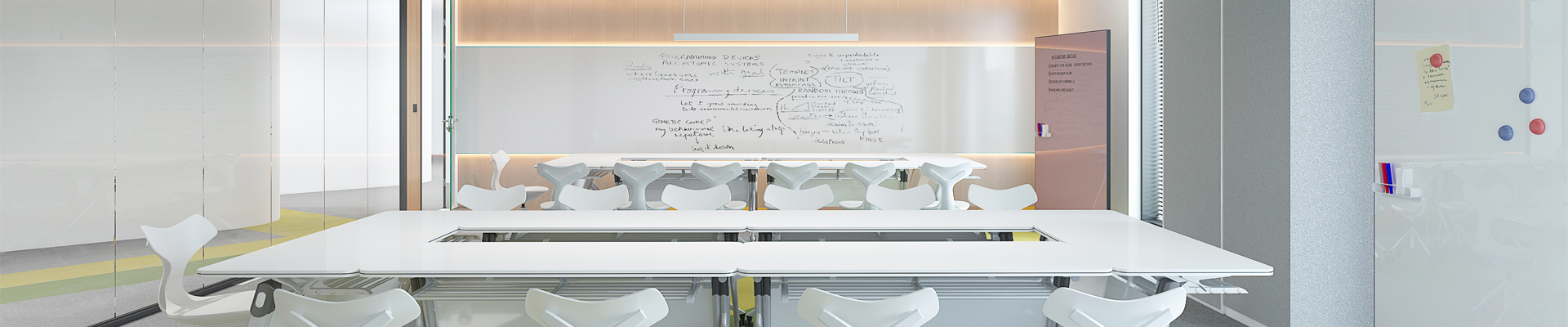
Workplace cafeteria design in 2026 is no longer only about lunch. For B2B buyers, the same area may support meals, breaks, informal meetings, visitor waiting, facility operations, and daily workplace interaction. A practical plan should begin with real use scenarios, then connect traffic flow, seating density, cleanability, lighting, acoustics, procurement, and flexible furniture. This helps companies use the space throughout the day while keeping movement clear, cleaning manageable, purchasing decisions practical, and employee comfort under control for both peak meal periods and quieter non-meal hours across different workplace teams daily.
Workplace Cafeteria Design Is Now Part of Workplace Planning
A workplace cafeteria should be planned as a shared business space, not only as a food area. It affects how employees pause, meet, move, and reconnect during the workday.
Gensler’s 2025 Global Workplace Survey reports that time spent working with others in person has increased since the pandemic, while socializing has nearly doubled in the United States and in most surveyed countries [1]. This makes cafeteria design relevant for companies that want the office to provide value beyond individual desk work.
A well-planned cafeteria can reduce pressure on formal meeting rooms and support quick conversations without requiring a separate reserved room. During non-meal hours, it can become a work cafe for brainstorming, training breaks, small celebrations, hybrid-worker touchdown use, or casual collaboration.
A Practical Layout Starts with Real Use Scenarios
A practical cafeteria layout begins by separating the main activities in the space. Dining, queuing, circulation, waste return, pantry access, informal meetings, and waiting should not compete for the same narrow path.
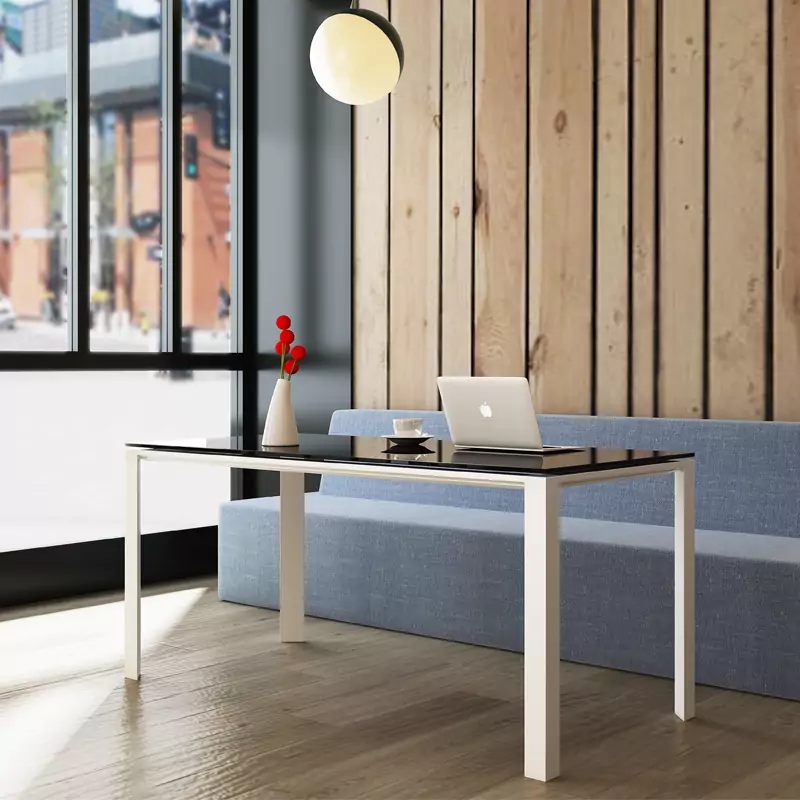
Not every company operates a staffed cafeteria or buffet-style food service. Some offices only provide a dining area where employees bring meals, use a pantry, store lunch boxes, heat food, or take short breaks. Therefore, the layout should start from real behavior instead of assuming a restaurant-style service route.
For a simple employee dining area, the key questions are: where do people enter, where do they place bags or lunch boxes, where can they heat food or get water, how do they find a seat, where are waste and cleaning points, and how quickly can the area be reset after peak use?
Test Traffic Flow Before Furniture Is Ordered
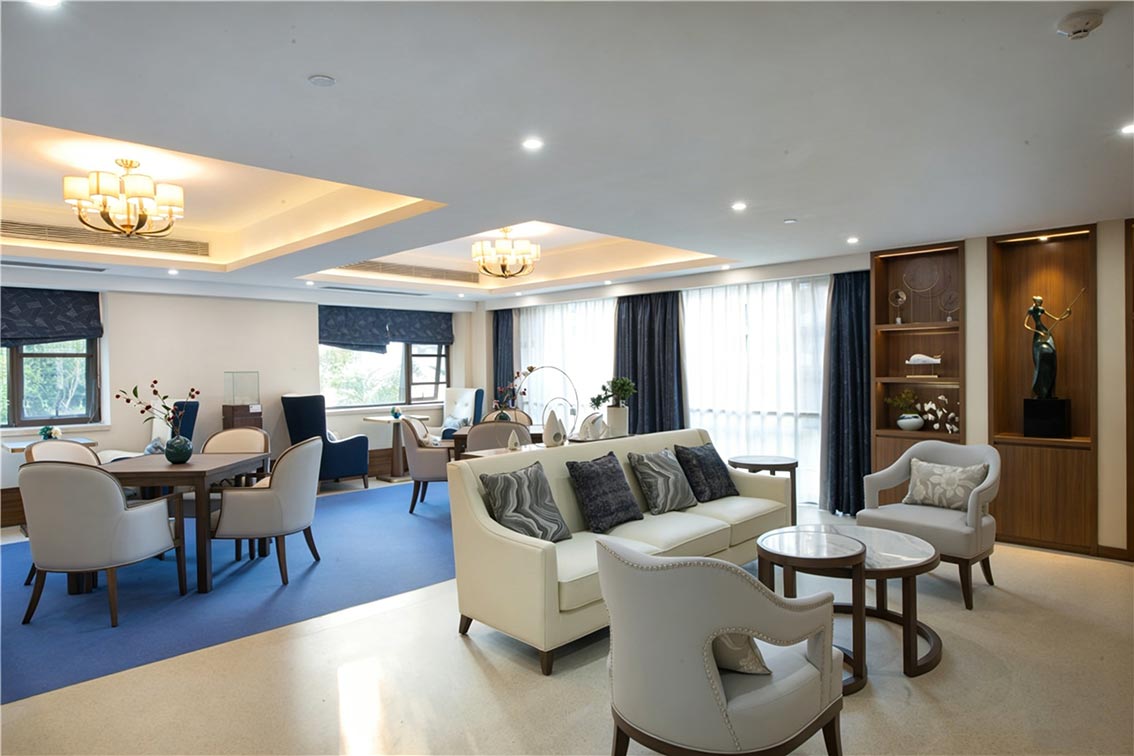
The simplest test is to trace how employees move from entry to food service or pantry access, seating, waste return, and exit. For offices without staffed food service, include microwaves, water points, refrigerators, coffee areas, and shared walkways.
Any place where people must stop in a walkway should be adjusted before procurement. Seating density should also match real behavior, not only the maximum chair count. Too many seats can narrow aisles, slow cleaning, crowd shared appliances, and increase noise.
Flexible Furniture Helps One Space Serve Multiple Uses
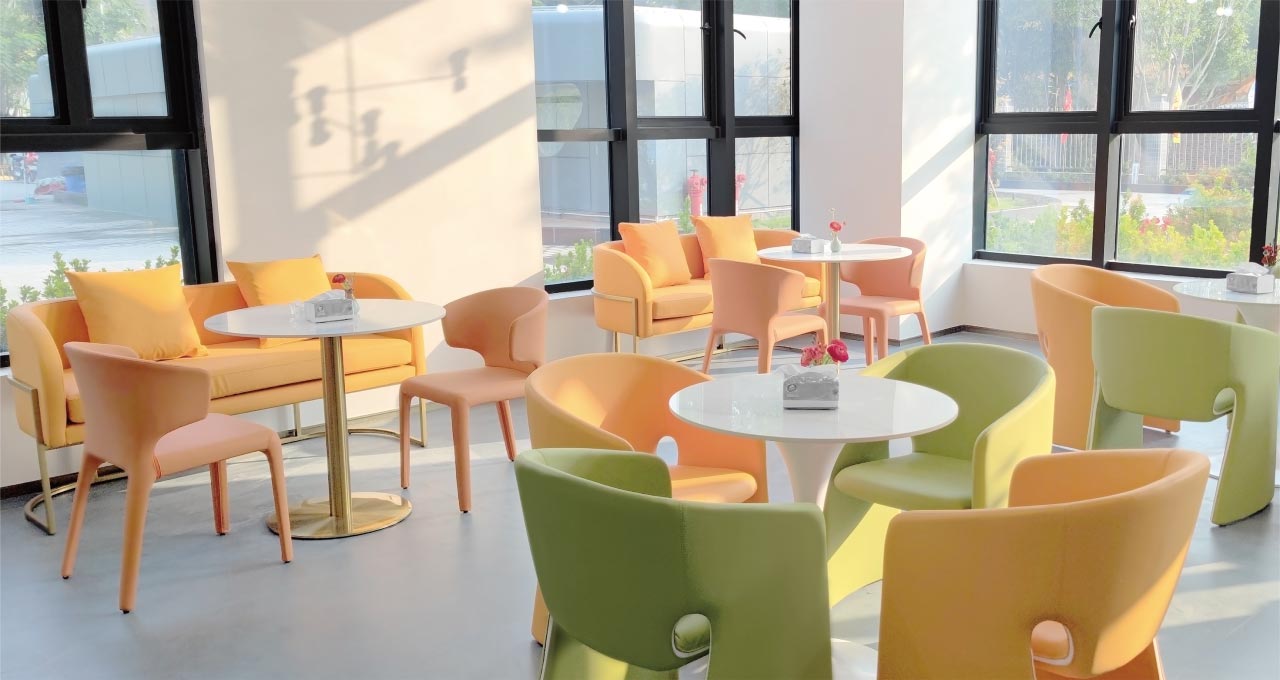
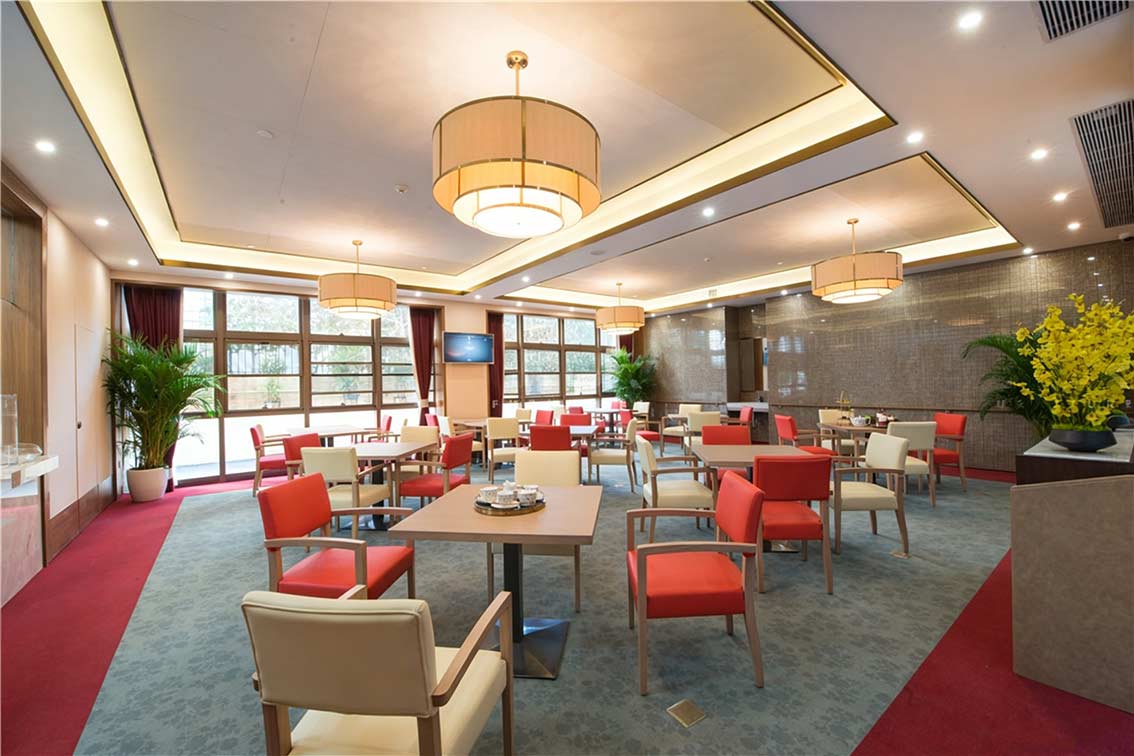
In cafeteria design, flexibility means more than moving furniture. It means one space can shift between dining, coffee breaks, informal talks, brainstorming, small events, training breaks, and visitor waiting without looking temporary or difficult to manage.
Practical flexible furniture should be stable, easy to clean, visually consistent, and simple to rearrange. Round tables can encourage small-group conversation, while square or rectangular tables can be combined for team activities or separated for daily dining. Chairs should support breaks, short meetings, frequent movement, and cleaning.
Daily Usability Depends on Details Employees Notice
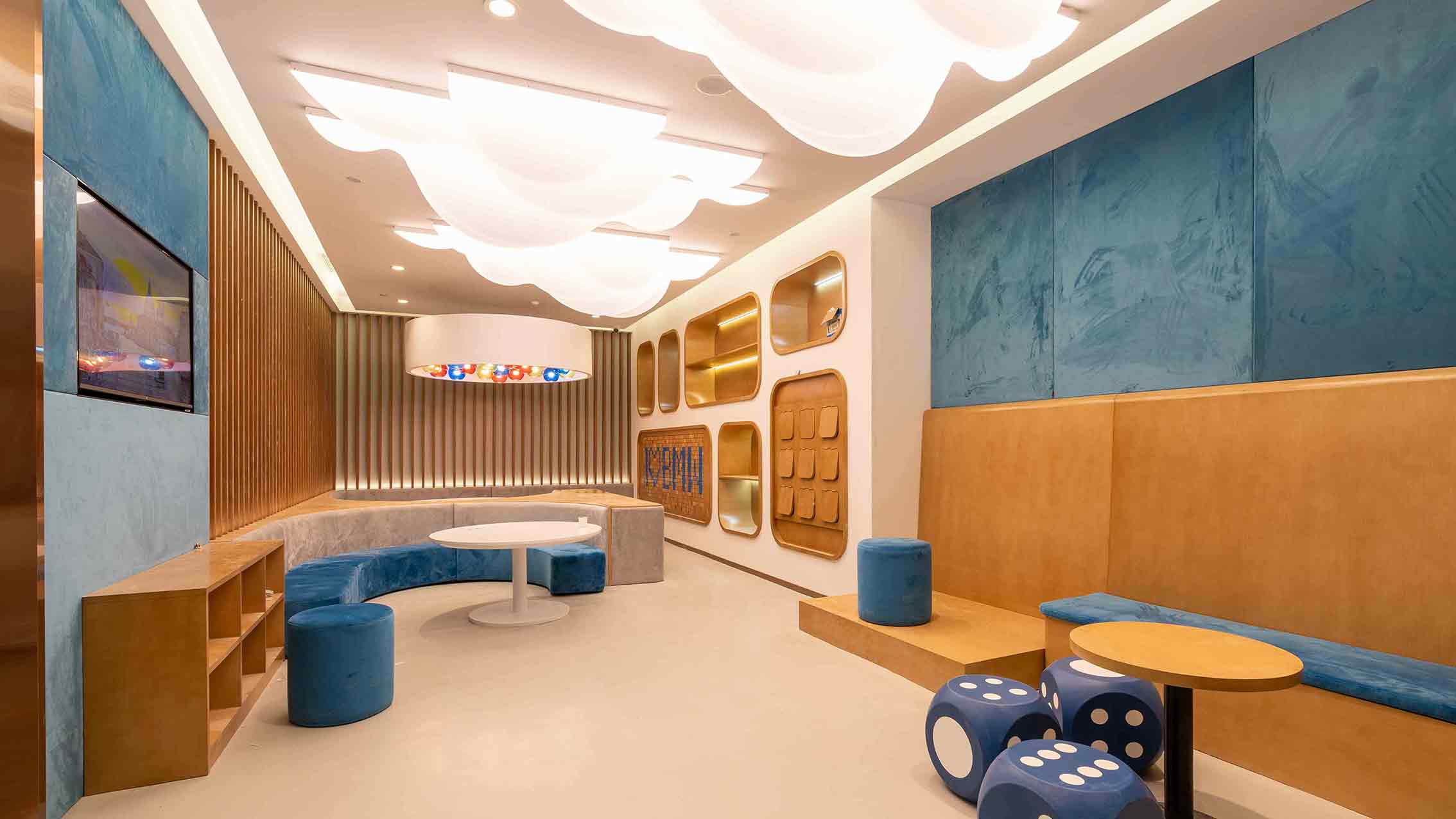
Daily usability depends on small decisions that employees experience repeatedly. Lighting, acoustics, cleanability, spacing, and material choices often matter more than decorative themes.
The WELL Standard is an evidence-based roadmap for supporting health and well-being in buildings, with concepts that include nourishment, light, movement, thermal comfort, sound, materials, mind, and community [2]. Cafeterias do not need certification to use the same practical logic.
Table surfaces should resist water rings, food spills, wiping chemicals, hot cups, and repeated hand contact. Edges and corners should be finished carefully because they are easy to bump during chair movement and cleaning.
Lighting should support both dining and casual communication. Employees need enough light to see food clearly, but strong glare can make the cafeteria feel cold. Acoustics also matter because cafeterias combine chairs, dishes, conversations, and movement in one open area. Stable chair legs, suitable floor protection, separated seating clusters, and soft elements can make the space feel calmer.
Spacing determines whether people feel relaxed or rushed. A good plan should allow employees to pull out chairs, pass behind seated colleagues, set down bags, and leave the table without disturbing others. For B2B buyers, these details affect satisfaction, cleaning time, furniture wear, and future layout changes.
Our Support for Workplace Cafeteria Furniture Planning
As an office furniture manufacturer, we understand that a cafeteria is closely connected with employee comfort, communication, and workplace satisfaction. Furniture planning should start from people and scenarios: how many employees use the space, whether the area is mainly for dining or also for informal meetings, how often the furniture will be moved, what materials are easier to maintain, and how the style connects with the rest of the office.
XINDA CLOVER can support cafeteria and shared workplace needs through office tables, coffee tables, seating, partition products, and coordinated OEM/ODM services. For B2B buyers with multi-site projects, OEM/ODM support can matter when a company wants aligned colors, finishes, sizes, packaging requirements, and future reorder consistency.
Planning need | Furniture direction | XINDA CLOVER support |
Daily dining | Dining-height tables and comfortable seating. | Options based on size, finish, and quantity. |
Breakout communication | Coffee tables, round tables, flexible seating. | Coordinate cafeteria and breakout areas. |
Space separation | Partitions or visual zoning. | Balance openness, privacy, and circulation. |
Multi-site consistency | Aligned colors, sizes, finishes, packaging. | Support OEM/ODM requirements. |
If your project needs tables for cafeteria or breakout areas, coffee tables, seating, or coordinated office furniture, you can contact us with layout drawings, quantities, use scenarios, and material preferences. The team can then discuss practical options based on project needs and official product information.
Business Owners Can Build a Practical Workplace Cafeteria Through Scenario-Based Planning
Business owners should build a workplace cafeteria by connecting employee behavior, space planning, furniture selection, cleaning, and long-term procurement.
Start by defining real use scenarios, such as dining only, pantry use, informal meetings, activities, visitor waiting, or a mix of these. Estimate peak demand by reviewing employee count, lunch window, shift patterns, visitors, and hybrid attendance. Then plan zones for dining, pantry or water access, waste, cleaning storage, discussion corners, and circulation.
After the layout is clear, choose furniture by scenario. Round tables support conversation, while square and rectangular tables support flexible grouping. Finally, check cleanability, durability, local workplace rules, accessibility, fire safety, sanitation requirements, and feedback after opening. Testing the space after launch helps companies adjust crowding, noise, cleaning time, and furniture movement before rolling the same design out to more sites.
Conclusion: Workplace Cafeteria Design Should Create Comfort, Flexibility, and Long-Term Value
Workplace cafeteria design in 2026 should balance dining needs with broader workplace value. A strong plan supports meals, short breaks, informal conversations, brainstorming, small activities, and visitor waiting while keeping circulation, cleaning, and maintenance manageable.
For B2B buyers and business owners, the practical path is to define real scenarios first, then choose furniture that supports those scenarios. We can discuss office tables, coffee tables, seating, partitions, and OEM/ODM options based on layout goals, quantities, materials, and project requirements. Please contact us to start a cafeteria or shared workplace furniture plan.
Sources
[1] Gensler Research Institute. Global Workplace Survey 2025. https://www.gensler.com/gri/global-workplace-survey-2025
[2] International WELL Building Institute. The WELL Standard. https://www.wellcertified.com/